
Give Every User Enterprise-Grade Transaction Security
Real-time transaction simulation, scam detection, and fraud prevention embedded in your wallet via a single API, protecting users without adding friction.







Real-Time Risk Intelligence for Every User Transaction and Interaction
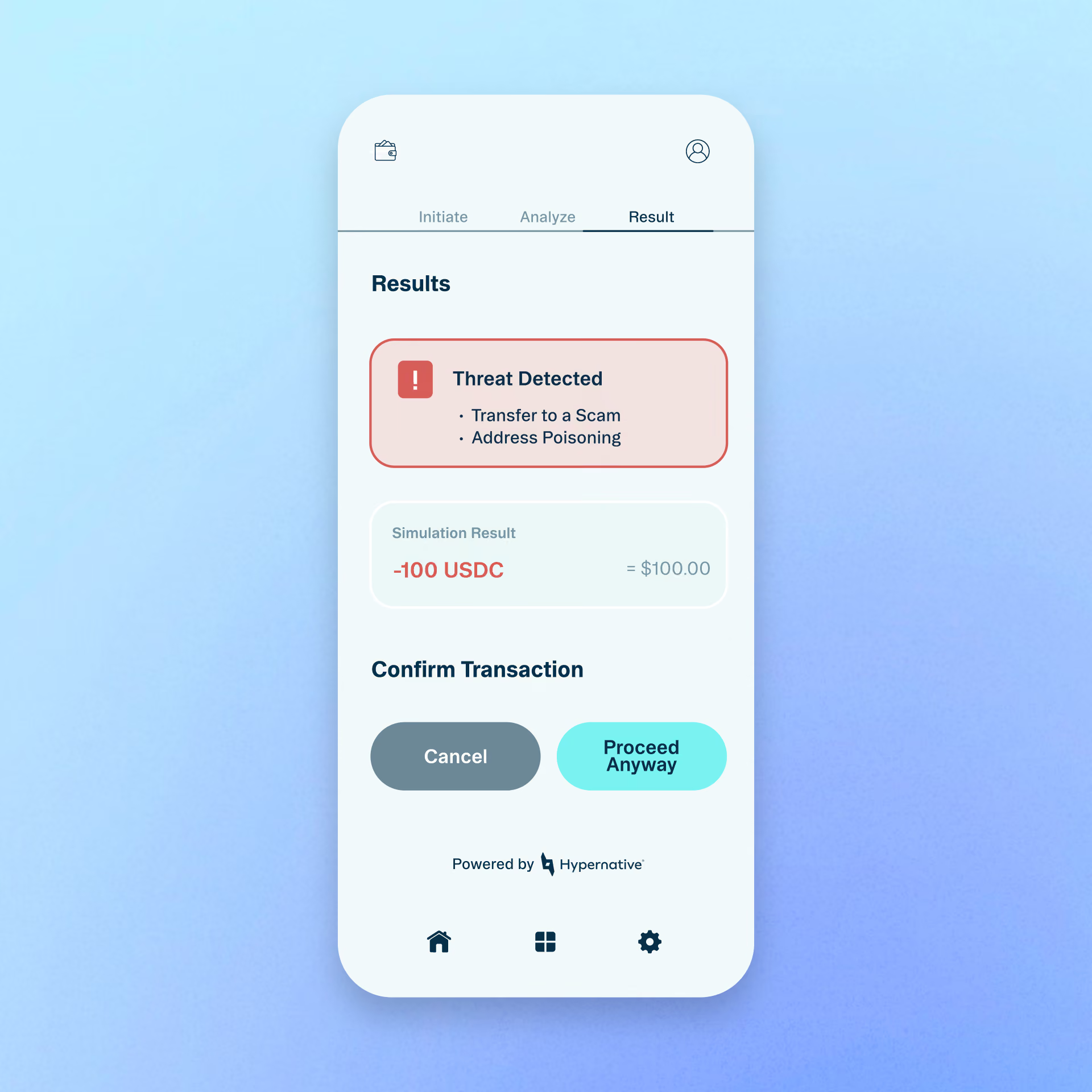
Simulate every transaction before execution. Present human-readable balance changes, approval grants, and risk warnings that surface hidden drainer logic and malicious intent before signing.
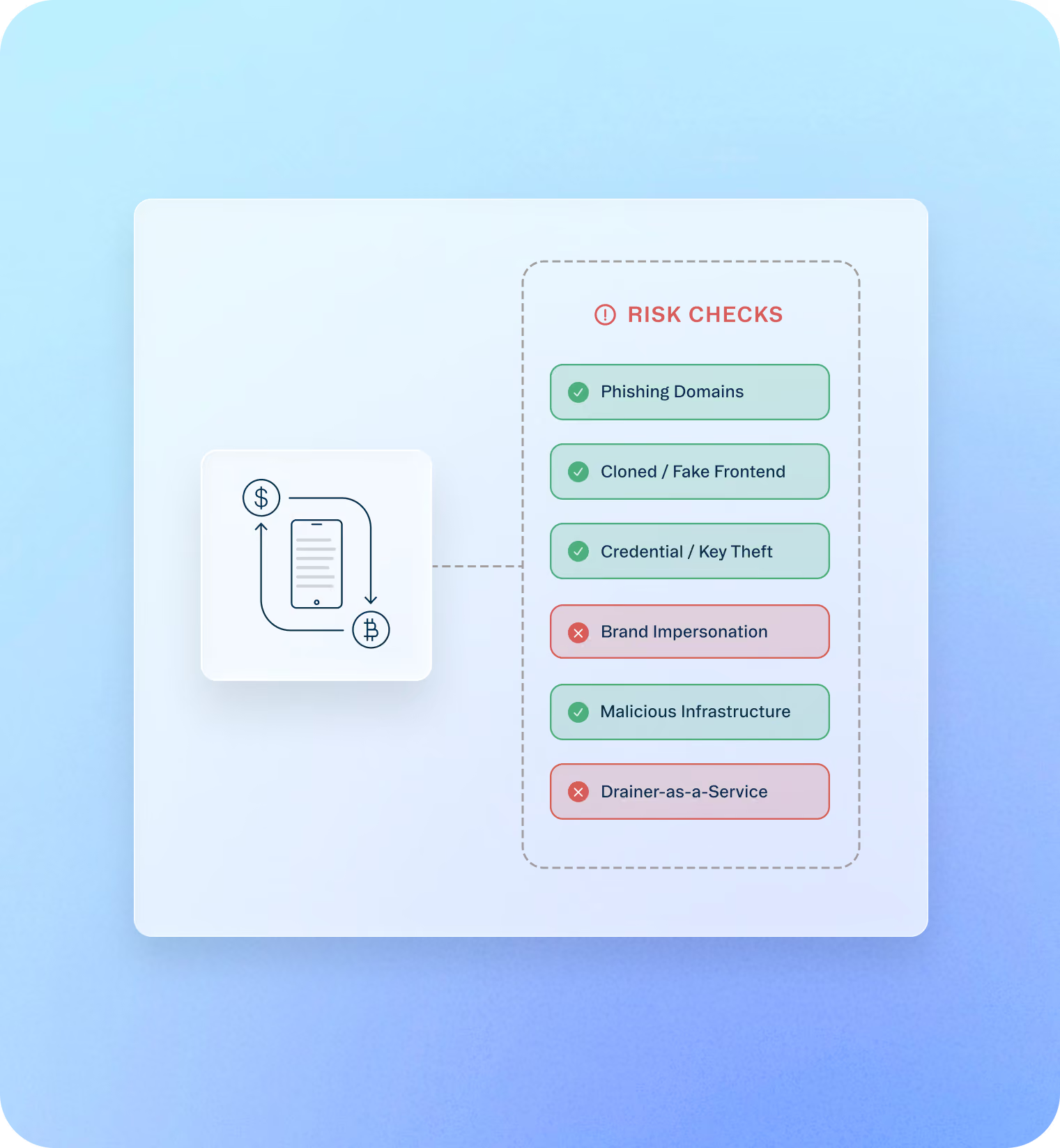
ML-powered detection of phishing domains, drainer contracts, address poisoning, and pig-butchering infrastructure, often within minutes of deployment.
Real-time reputation assessment of dApps, URLs, and NFTs, flagging impersonation sites, malicious scripts, and scam projects before users connect.
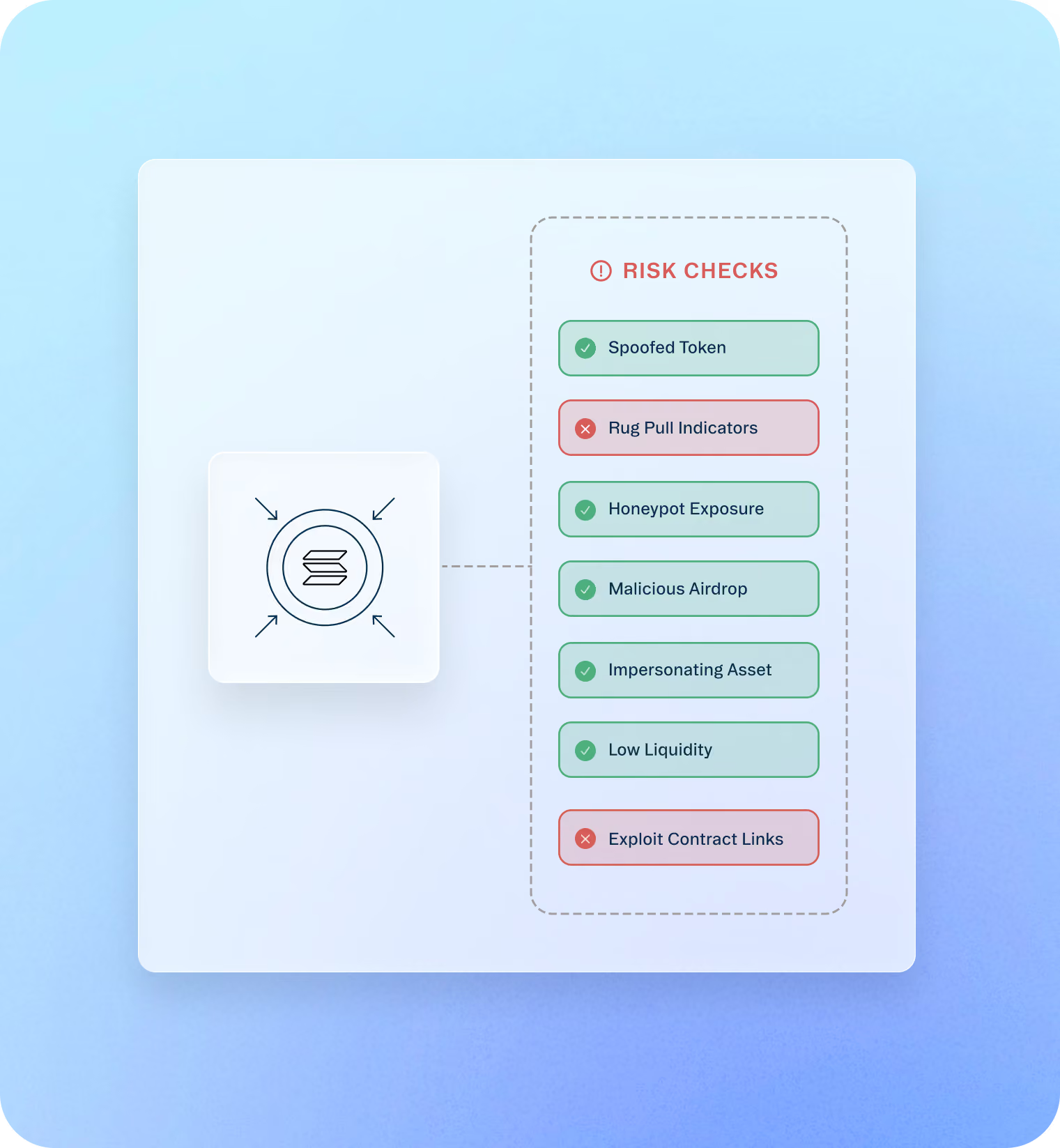
Automated detection of honeypot mechanics, rug-pull indicators, impersonation tokens, and malicious airdrops, flagging high-risk assets at the point of swap or interaction.
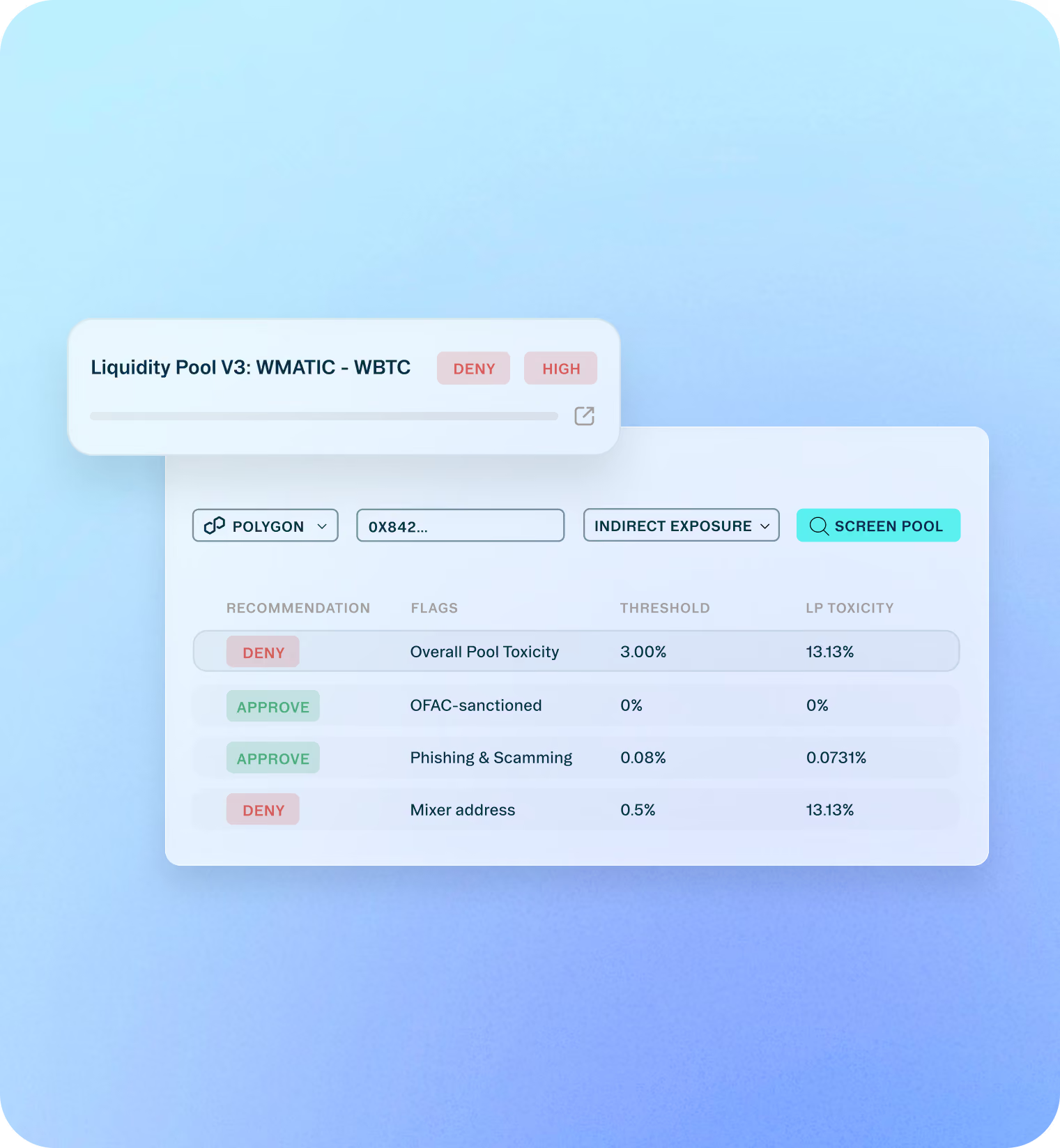
Continuously scan incoming transactions and tokens for spam, scams, and malicious assets. Alert users via API, webhook, or push notification.
Proven in Public. Verified Onchain


Security is integral to delivering the best possible experience for our users. By partnering with Hypernative, Reown remains at the forefront of the ever-evolving security landscape.
How Wallet Protection Works
When a user prepares to sign, connect to a dApp, or interact with a token, the wallet submits the action to the Wallet Protection API before execution.
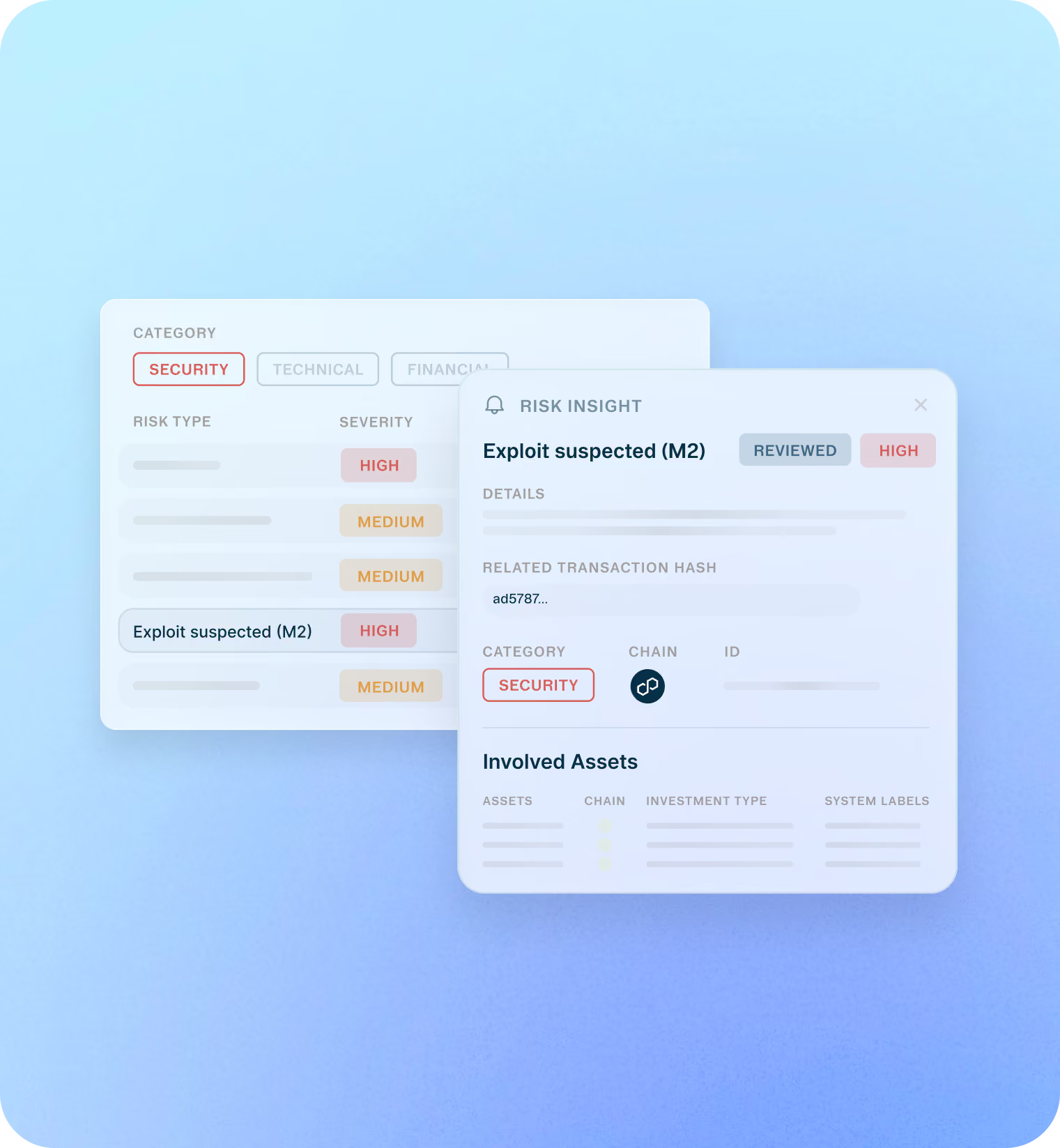
Wallet Protection simulates the transaction and applies real-time detection engines assessing balance changes, contract interactions, approvals, phishing indicators, and 300+ threat vectors.
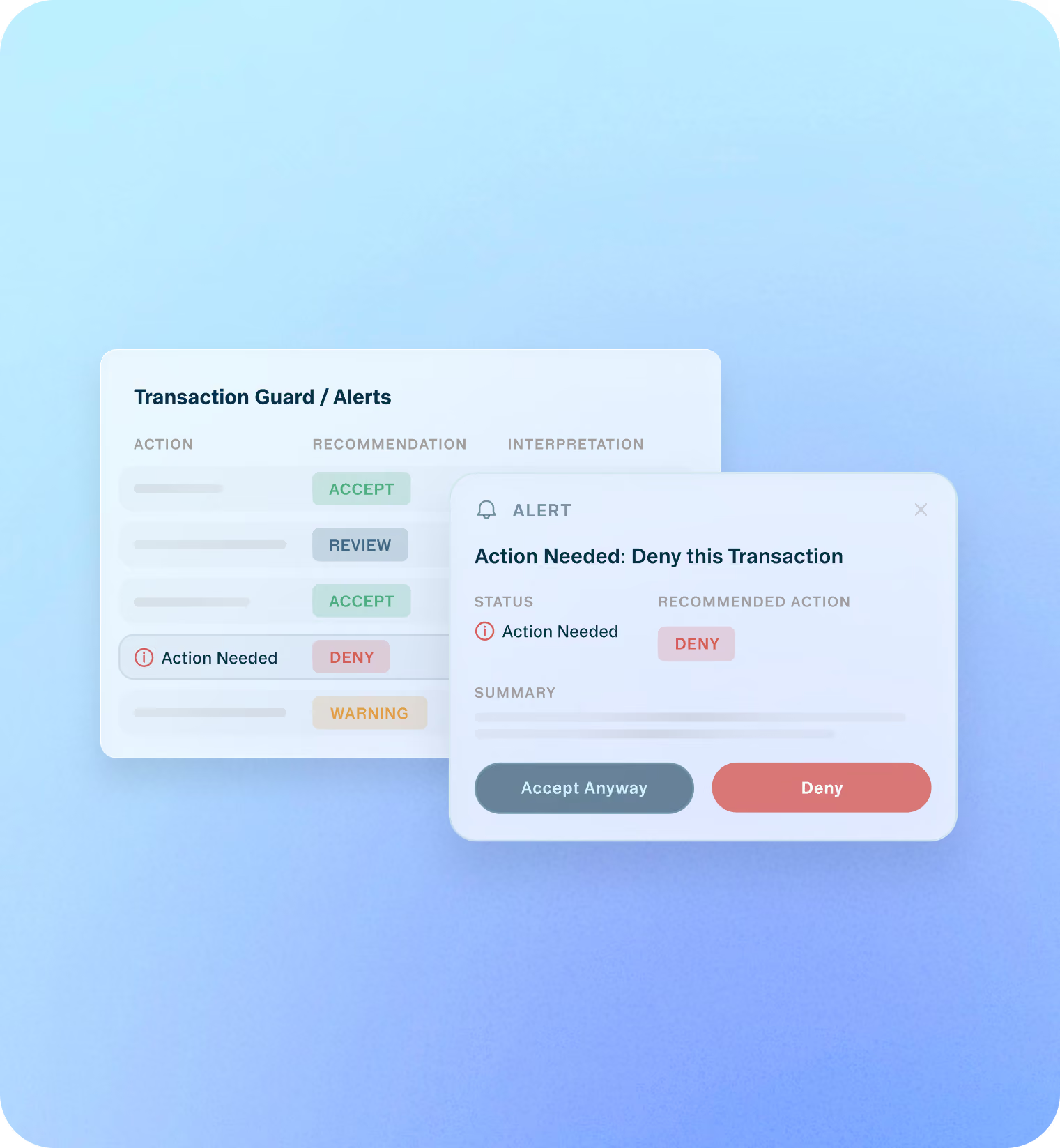
The API returns a risk classification, human-readable interpretation, and approve/deny recommendation for the wallet to display in the signing UI.
Ongoing monitoring scans incoming transactions and tokens for spam, scams, and malicious activity, flagging suspicious items via API, webhook, or push notification.


Securing Every Stage of Digital Asset Activity
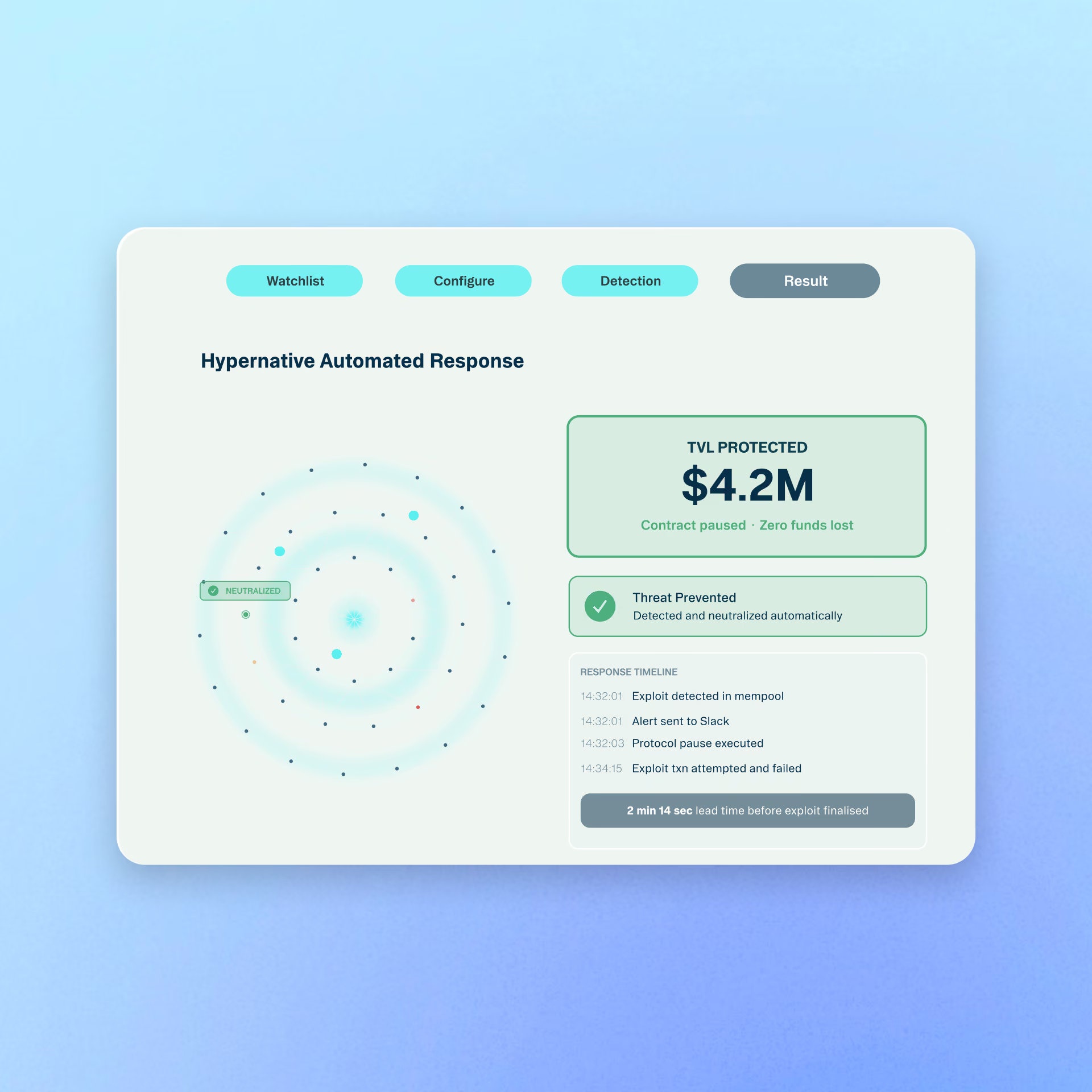
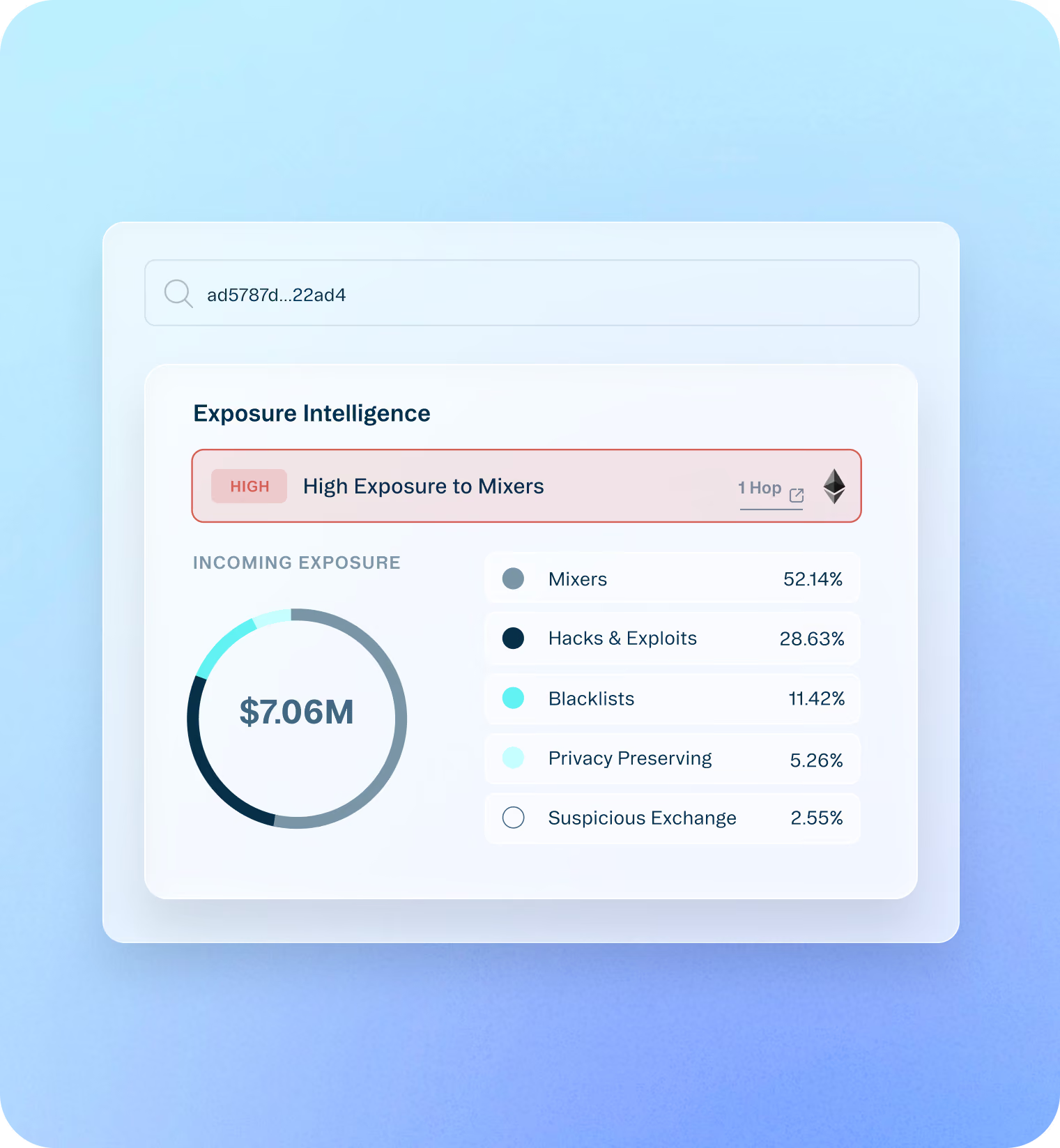
Wallet Protection is one piece of a comprehensive product suite, purpose-built to protect every layer of onchain operations.

Frequently Asked Questions
An API-based risk intelligence layer that embeds transaction simulation, fraud detection, and asset screening directly into retail wallet experiences. This protects users from phishing, drainers, address poisoning, honeypot tokens, and malicious dApps by notifying them of potential risks before they execute a transaction.
When a user prepares to sign a transaction, Wallet Protection simulates the full transaction and returns the actual intent with human-readable balance changes, approval grants, and risk warnings that the wallet displays in the signing UI.
Phishing domains, drainer contracts, address poisoning, honeypot tokens, rug pulls, impersonation tokens, malicious airdrops, spoofed NFTs, pig-butchering infrastructure, excessive approvals, and 300+ additional threat vectors.
Hypernative monitors the entire onchain ecosystem across chains (EVM and non-EVM) with mempool-level detection, catching threats earlier with higher accuracy, including novel attack patterns and hack/exploit protection that retail-focused competitors can't provide.
No. Simulation and risk assessment happen in milliseconds, optimized for the retail signing flow. It improves the UX by giving users clear previews without noticeable delay.
A single API endpoint. Transactions are submitted before execution, and the response includes simulation results, risk scores, and recommended actions. Most wallets integrate within weeks with templates, SDKs, and onboarding support.
.avif)